Diary Of A Worker: South Wales Bus Strike
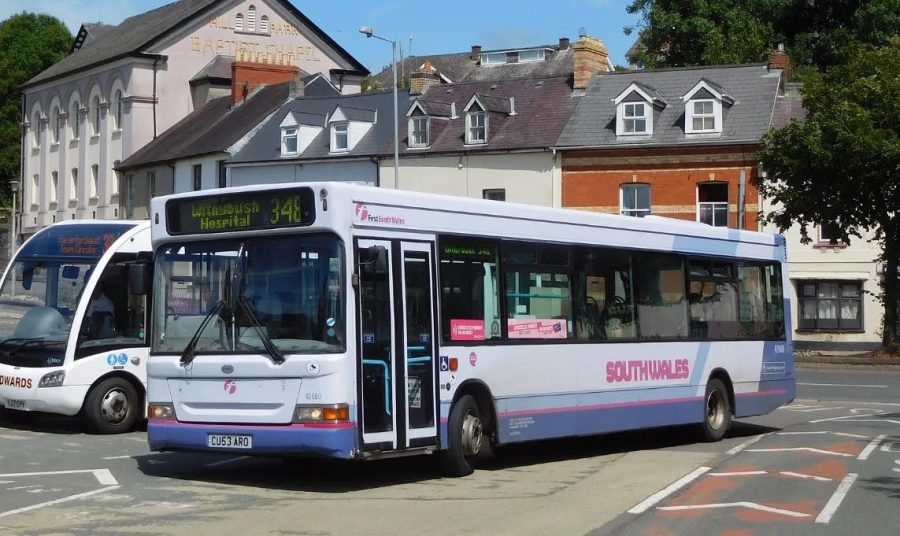
Bus workers in south Wales will take strike action for four days this week. Starting tomorrow, First Bus workers will walkout in their fight for fair pay after years of falling wages. Here an anonymous worker reveals what’s behind the strike, explains what things are really like on the frontline of Wales’ underfunded public transport system.
Last month, bus drivers in south Wales voted to strike with an overwhelming majority of over 90%. Unite union members working for First Cymru Bus voted emphatically to reject three paltry pay offers, with the last offer voted down this week.
This is all happening at the same time as a wave of pay disputes in the public transport sector across Wales and the UK, with Cardiff Bus drivers winning an improved pay award of 5.86% with full back pay in August, having already threatened strike action. Bristol bus drivers have also recently agreed a pay increase to £16.50 with backdated pay to April, now increased to £17 and then £17.50 next April. Other areas, such as Manchester and Preston, have won similar deals through union organising. With franchising likely coming in within the next two years in Swansea Bay (which is the pilot area for Transport For Wales to manage the whole of the Welsh bus network), maybe it is now the time to fight for decent wages for a difficult and stressful job.
Bus drivers are making life or death calculations for the safety of their passengers every minute of the working day, just like train drivers who are on an average salary of £48k (around £20 an hour). Many bus drivers in Wales believe they think they are worth at least £15 an hour and would have liked their union to have started the pay talks at that rate. This is why they have voted no to successive poor offers. Unfortunately some union officers are too friendly with management and when told by the bosses that there is no money to pay bus drivers properly, they believe it.
Buses are an essential service, they provide a third space where people often socialise. People who may face isolation; people who go from home to the shops and doctors surgery or hospital; children and young people going to school, college and university; people who go to and from work and home, working long hours for low pay much like the bus drivers themselves. Bus drivers help people with reduced mobility or language barriers to get out and about.
Drivers may be the only conversation someone has that day and they try to smile and say hello in the face of sometimes daily abuse. People are often understandably angry with bus drivers because of ongoing problems with the bus network.
Swansea Bay is the central depot for the whole of First Bus in West Wales and has to provide a full bus fleet for over 30 routes in Swansea alone, with depots also in Port Talbot, Ammanford and Haverfordwest which often borrow buses from Swansea when they have breakdowns. The bus fleet in Cymru is old, often coming secondhand from England and getting very tired with constant breakdowns. This leaves passengers with services missing, waiting at bus stops in the rain for buses that don’t turn up, day in day out. First Bus claims that Cymru isn’t profitable enough to invest in, so the only electric buses the company have in Wales are for a specifically government funded Transport For Wales franchised route from Carmarthen to Aberystwyth (T1). The rest of Wales has to keep using old diesel buses that have perpetual faults and breakdowns. Nevermind the effect on air pollution.
First Group PLC pays shareholders and executives high sums whilst underpaying its drivers. This is the problem of privatised public services. Corporations drive down the quality of the service, trying to reduce services that are unprofitable to the bare bones whilst clinging on to council funded tenders. They run a poor quality, outdated fleet on cheap parts or quick fixes with too few engineers and drivers feeling undervalued on low pay. This leaves the disabled, older adults, young and non-drivers unable to trust the bus network to get them out and about, increasing isolation and making it harder for workers to get to work.
In Wales bus drivers witness cuts to services and have to drive old, defective, dirty buses with no improvements in sight. In Swansea the service 14 to Mayals was awarded to First Bus when they competed for the tender, but when passengers complained that the service was unreliable it was awarded back to the previous service provider. Other services such as those servicing the Mumbles were cut, with whole routes dropped, but vociferous local campaigns have resulted in the council being forced to keep the buses running.
Unite officers commenced pay talks using the previous pay rate as the starting point to negotiate an inflation based pay increase. But this ignores the fact that pay in Wales has been depressed for decades, so that drivers just over the bridge in Bristol are now on £16.50, whilst most drivers across Wales are still getting under £15. First Cymru offered drivers just £13.95, then £14, then an amazing £14.07 this year! Bosses also partially withheld our backpay during the negotiations.
Swansea has a deep history in public transport. Just take a visit to the National Waterfront Museum in Swansea and you will see its connection to the early history of public transport with a replica of the first ever passenger steam rail engine in the world built in South Wales in 1804. The south Wales coalfield also provided the profits to develop the train lines throughout Wales which connected working class communities, but which were destroyed by the Beeching cuts in the 1960s.
Swansea can also lay claim to have had the first ever public passenger train service in 1807, first horsedrawn then steam-powered, running an electric passenger tram on the line from 1928.
The Mumbles train is remembered fondly, with many angry that it was allowed to be scrapped, when it was decommissioned by South Wales Transport via an act of parliament despite huge local opposition. Buses replaced those trams, with South Wales Transport running the bus services before it was bought by First Bus. How different would Swansea Bay look now if it had electric trams running along the sea front instead of a six lane road?
A different incarnation of South Wales Transport and another Welsh company Adventure Travel provide some of the services in the Swansea area, with other small local companies providing other services across south and west Wales. As First Bus are the largest provider, the other companies will wait for the outcome of these pay negotiations before they set their new pay rates. So these pay negotiations will have an impact on the economy of the whole of the south Wales region.
First Group also owns Great Western Rail who provide the rail link across south Wales to Bristol and London. Privatised public transport companies like First Group announce corporate values of “accountable for performance” and “setting the highest standards”, but in reality they bleed public funds for profits whilst underinvesting in service provision, both in terms of reducing services, paying adequate wages and maintaining a bus fleet that meets current standards. Investment that should have improved public transport in the area has not materialised with the South Wales Metro rail electrification now only servicing Cardiff and the valleys and not reaching further West. Cardiff and many areas in England have also received investment with electric buses and a council owned bus company, but the rest of Wales feels ignored and suffers from underinvestment.
First Group’s public website claims “modal shift” and “leading on environment and social sustainability” as two of their four strategic pillars, this means that they aim to grow the transition to public transport use as part of the low or zero carbon societal changes needed to prevent runaway climate catastrophe. But in Wales bus drivers witness cuts to services and have to drive old, defective, dirty buses with no improvements in sight.
First Bus drivers in South Wales take buses out everyday with the same faults, watching the First Group Plc share value skyrocket, up 53% over the past year according to the Financial Times. As bus drivers, we are wondering why we have put up with this for so long. Pay talks are supposed to take place in April but every year they drag on for months and then the company withholds the pay owed, dangling partial “backpay” as a negotiating tactic. Taking ‘backpay’ like this if theft. This money is what workers have earned and is theirs by right.
This time they have also threatened that the company will have to use some of the money allocated to the pay rise to pay strikebreakers a £50 daily bonus to cover services during the strike. This is something that the union Unite says they will investigate, as it may be illegal.
Drivers are fed up with being treated like this by a company that makes huge profits from public transport every year. Isn’t it time to invest in the workers who keep these services running and the communities who depend on them?
The strike runs from Thursday 30th October to Sunday 2nd November. Picket lines will be outside Swansea bus station and depots in Haverfordwest, Port Talbot and Ammanford
*Diary Of A Worker is a new series of articles from voice.cymru, allowing workers to tell their side of the story without fear of reprisals from management. It can be about anything to do with your place of work and the issues you face. If you are a worker in Wales and would like to contribute to this series, please email [email protected].