Huge Cardiff University Cuts Have Been A Disaster For Staff & Students
Months since bosses at Wales’ biggest university imposed dramatic cuts, an anonymous academic reveals what the true effects are as students begin a fresh term, and why the new campus in Kazakhstan is throwing up some strange questions.
By An academic at Cardiff University
Our ‘chief transformation officer’ recently said that Cardiff University’s huge cuts and restructuring project risks “breaking a lot of things at once”. That’s definitely true for its academic staff. We have lost hundreds of experts to nine months of bullying, pressing older staff into voluntary redundancy by threatening deeper cuts if arbitrary targets weren’t hit.
Most departments have pleaded their way out of “at risk” status by losing staff and promising more work. 340 of us still remain at risk of compulsory redundancy come 1 January, even though my own department has had brutal cuts to both permanent and temporary teaching staff. We have had no information on our fate since June. One sciences school has lost ten academics in the last academic year, maybe 20% of the faculty, with nobody replaced. My own school is still facing an unknown future downsized into a single humanities section with the appropriate potential acronym of GLHUM.
To cope with the same number of students and a decimated staff, we’re told we will be ‘working differently.’ Looking around at the chaos of the first weeks of term, that’s definitely true already. The new (and expensive) centralised timetabling system doesn’t seem to consistently work. Medical students have had to work off individual temporary excel spreadsheets to figure out where they need to be for first classes.
There is centralisation for downsizing everywhere you look, not least in the building sites across the university where the Student ‘Hybs / Hybiau / Hubs’ (the naming is still unclear) are not finished.
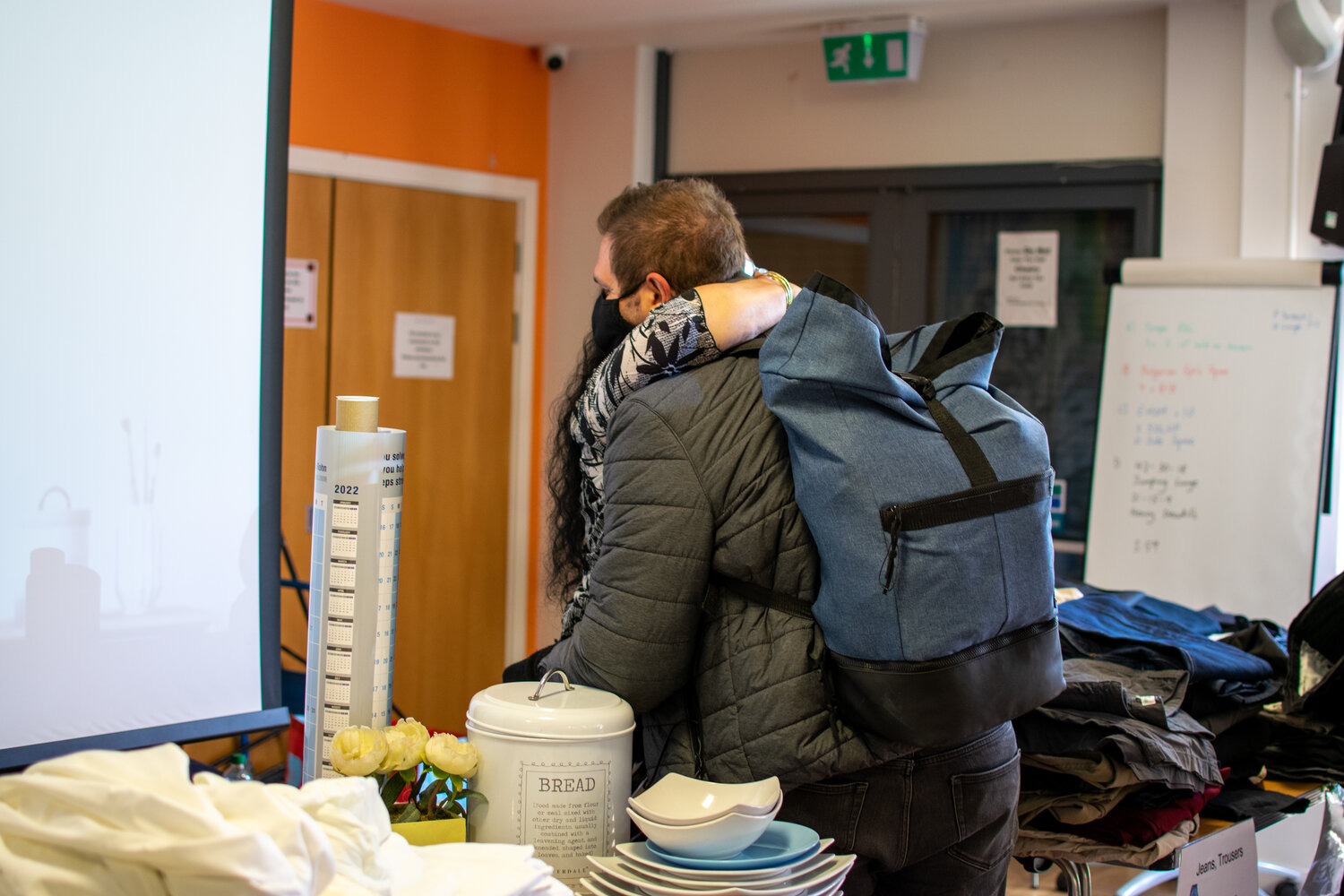
Until the day before teaching, my building front entrance (and key fire exit) was blocked off with boarding threatening that this ‘renovation’ is done “with you in mind”. The new Hyb has several (aggressively open-plan?) empty rooms with no furniture at all.
Huddled under blankets in my freezing office, because the anti-suicide lock on the window has seized slightly ajar, I am – like everyone –frantically trying to make it work for the students, especially because any hit in our student satisfaction scores will be an excuse for management to cut more jobs.
There isn’t much point overworking otherwise, with our new promotions process making advancement impossible unless you attract big grant money or you toady properly (by “positively engaging in decision making processes”). There are rumours that staff will be pushed onto teaching-only contracts, and that research time will be cut entirely unless you can “commercialise” it for university profit.
There is plenty of money at Cardiff University Kazakhstan, though. Our new remote campus appeared with no staff consultation, and is apparently being bankrolled by a newly-formed Kazakh foundation with anonymous donors and a director with no professional history on LinkedIn. The new university building in Astana has been mysteriously donated, and the Kazakh state appears to be giving each of our new 300 students a $60,000+ bursary.
In exchange, some courses have been cancelled for our students in Cardiff, so that staff can travel to Kazakhstan to teach on the new campus. An entire postgraduate set of programmes haven’t been timetabled yet, and the students will have to start all classes a week late.
But Cardiff University Kazakhstan also seems to be a last-minute disaster. The building is apparently not ready for teaching. We have no idea who is staffing it or what their working rights are, and our Kazakh Cardiff University students don’t appear to have student support services. Staff in Cardiff were invited to watch the plush launch at 7:25am our time. My main observation was that our famously Maori-speaking Vice Chancellor still cannot seem to pronounce llongyfarchiadau after two years.
A new wave of staff communications tells us that the executive board are going to build trust, reset relationships, and work in partnership with us. I’m not entirely sure where or how this will happen. But they have been somewhat successful as self-styled ‘disruptive innovators’ (unironically echoing the vainglorious tech billionaire antihero of the film Glass Onion, as well as Elon Musk).
While our university leadership are not wildly innovative, they are certainly disruptive.